

Menopause and Intimacy: What Changes, What Can Help, and What Women Deserve to Know
You didn’t stop being a sexual person because your hormones changed.
During perimenopause and menopause, intimacy can feel different for many reasons: fluctuating hormones, vaginal dryness, disrupted sleep, pain, stress, body-image changes, medication, relationship dynamics, or simply having less energy for one more demand on your body.
Some changes are physical. Others are emotional or circumstantial. Often, several arrive at once.
Understanding what may be happening gives you more useful options than blaming yourself or assuming intimacy has an expiration date.
Hormonal changes can affect several parts of sexual response
Estrogen, progesterone, and androgens shift during the menopause transition. These hormones influence vaginal tissue, lubrication, blood flow, mood, sleep, and sexual response, although hormones are only one part of the picture.
Lower estrogen may contribute to thinner, less elastic vaginal tissue and less natural lubrication. Some women also notice changes in genital sensitivity or that arousal takes longer. Androgens, including testosterone, are involved in sexual desire and arousal, but a blood test does not tell the whole story of a person’s sexual experience.
Stress, depression, anxiety, relationship strain, chronic illness, medication, and exhaustion can all affect desire and arousal. That is why a thoughtful assessment looks beyond hormone levels alone.
Vaginal tissue and lubrication may change
The vagina and vulva are responsive tissues. With lower estrogen, some women experience increased dryness, irritation, burning, itching, or a feeling of tightness. The vaginal opening may feel less flexible, and friction may become uncomfortable sooner than it used to.
Natural lubrication is also affected by arousal, hydration, medication, stress, and the amount of time your body has had to warm up. Arousal-related lubrication and everyday vaginal moisture are not exactly the same thing, so using a lubricant does not mean your body is failing to respond.
Lubricant can reduce friction during sexual activity, while a vaginal moisturizer is generally used on a regular schedule to support ongoing comfort. They serve different purposes. For a practical guide, read Do I Actually Need Lubricant? Why More People Should Be Using It.
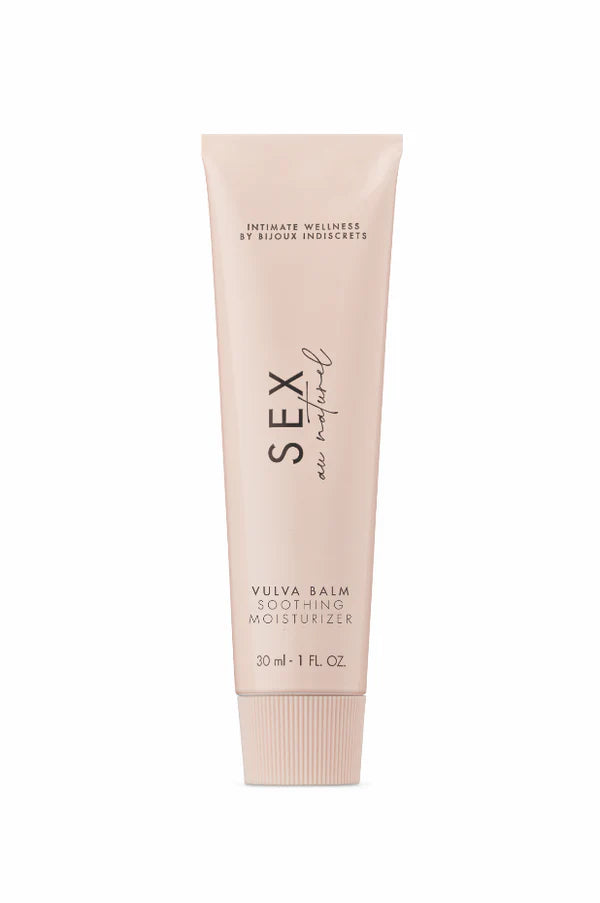
For external vulvar dryness, a fragrance-free balm may support the skin’s moisture barrier. Sweet Ember’s Vulva Balm Soothing Moisturizer is intended for external use only. Because it contains oils, it should not be used with latex condoms or latex barriers, and any product that causes irritation should be discontinued.
Arousal may take more time and more targeted stimulation
Arousal involves blood flow, nerve sensitivity, attention, emotional safety, and stimulation. Hormonal changes may affect some of these systems, particularly genital blood flow and tissue responsiveness. Many women find that their bodies still respond, but the response is slower or less predictable.
That can make a familiar routine feel less effective. More direct clitoral stimulation, different pressure, additional lubrication, or a longer transition into sexual activity may be useful. There is no prize for rushing your nervous system.
External pleasure products can offer consistent, adjustable stimulation without requiring your body to do all the work. The Womanizer Rose is one option to explore externally. Read the product details, begin at a lower setting, and treat comfort as the main criterion.
Arousal and desire also do not always arrive in the same order. Some women experience spontaneous desire, which appears before intimate contact. Others experience responsive desire, which develops after relaxation, connection, or pleasurable touch begins. More detail is available in Low Libido Isn’t the Diagnosis: What Your Desire May Be Trying to Tell You.
Desire can be influenced by sleep, stress, and the meaning attached to sex
Hot flashes and night sweats can fragment sleep, leaving you tired, irritable, or less interested in intimacy. Brain fog, mood changes, caregiving demands, work stress, and concerns about body changes can add another layer.
Pain can also teach the body to anticipate discomfort. After a few unpleasant experiences, it is understandable to feel tense before intimacy begins. The pelvic floor may tighten protectively, which can increase discomfort and make penetration more difficult.
This is one reason low desire is worth investigating rather than treating as a personality trait. Consider the full context: Are you sleeping? Are you taking a medication that affects desire or lubrication? Is there pain? Do you feel emotionally connected and unhurried? Are you experiencing depression or anxiety? A change in desire may be related to menopause, but it may also point to something else that deserves attention.
Pelvic health matters
The pelvic floor is a group of muscles that supports the pelvic organs and contributes to bladder control, bowel function, sexual sensation, and relaxation during penetration. These muscles can be weak, overactive, painful, or difficult to coordinate.
Urinary urgency, leakage, recurrent urinary tract infections, pelvic pressure, pain, or difficulty relaxing during penetration are good reasons to ask for a pelvic health assessment. Pelvic floor physical therapy may include education, breathing, relaxation, manual techniques, strengthening, or coordination work depending on the individual.
More Kegels are not automatically the answer. A pelvic floor that is already tense may need to learn how to release before it is asked to contract more.
Persistent pain with intimacy should be evaluated by a qualified healthcare professional. Pain may relate to tissue changes, pelvic floor tension, infection, dermatologic conditions, endometriosis, vulvodynia, or other concerns that deserve individualized care.
Communication reduces pressure
A partner may interpret less frequent sex as rejection. You may interpret their questions as pressure. Neither assumption helps much.
A more useful conversation names the experience without assigning blame:
- “My body needs more time to become aroused lately.”
- “Penetration has been uncomfortable, so I want to slow down and use more lubricant.”
- “I still want closeness, but I need us to take intercourse off the schedule for now.”
- “Can we explore what feels good without aiming for a particular outcome?”

Intimacy can include kissing, touching, massage, mutual pleasure, showering together, sleeping close, conversation, or exploring a toy. Removing one expected endpoint can make room for more honest connection.
Sweet Ember’s guide, How to Talk to a Partner About Trying Something New, can help you begin that conversation without turning it into a performance review.
Lubricants and moisturizers: choosing a starting point
A water-based lubricant is easy to clean and works well for many people. Simply Timeless Aqua is a water-based formula created with perimenopause and menopause in mind.
Silicone lubricant usually lasts longer and may be useful when you want more staying power. Simply Timeless Silicone is a lightweight silicone option. A hybrid formula combines water and silicone characteristics; Simply Timeless Hybrid may suit someone looking for a balance between glide and easier cleanup.
Check compatibility with condoms, barriers, and toy materials before use. Apply generously, add more when needed, and stop if burning or irritation develops.
Sweet Ember also carries a Hybrid Lubricant with DHEA. DHEA is a hormone precursor, and a product containing it should not be treated as a substitute for prescribed vaginal therapy. If you have a history of hormone-sensitive conditions, unexplained bleeding, or questions about whether it is appropriate for you, discuss it with your clinician first.
Medical options are worth discussing
You do not have to rely on products and communication alone when symptoms are persistent.
Depending on your symptoms and medical history, a clinician may discuss:
- Low-dose vaginal estrogen for dryness and pain related to genitourinary changes of menopause
- Vaginal DHEA, also called prasterone, for certain postmenopausal symptoms
- Ospemifene for some cases of moderate to severe painful intercourse
- Systemic menopausal hormone therapy when hot flashes, night sweats, and other whole-body symptoms are prominent
- Testosterone therapy in carefully selected postmenopausal women with diagnosed low sexual desire after a broader assessment
- Pelvic floor physical therapy
- Psychosexual counseling or couples therapy
- Treatment for sleep disorders, depression, anxiety, or medication side effects
These options have different benefits, risks, contraindications, and regulatory considerations. A healthcare professional can help match treatment to the actual cause of your symptoms.
Seek medical advice for persistent pain, bleeding after sex, new sores, unusual discharge or odor, recurrent urinary symptoms, severe mood changes, or a significant and unexplained change in sexual function.
Intimacy can evolve rather than disappear
Midlife intimacy may become less spontaneous and more intentional. It may involve more communication, more lubricant, different kinds of touch, external stimulation, pelvic health support, or a slower pace. That is an evolution of sexual expression, not a requirement to recreate your twenties.
Start with the symptom that is getting in the way. If dryness is the issue, explore lubrication and ask about vaginal treatment options. If fatigue is dominating, address sleep and overall health. If pain is present, pause and seek assessment rather than pushing through it. If desire feels distant, consider the physical, emotional, relational, and medication factors together.
For personalized support around menopause, intimacy, low libido, body changes, or sexual confidence, explore Sweet Ember’s menopause and intimacy coaching. A menopause consultation can help you sort through what is happening, identify practical next steps, and prepare better questions for your healthcare professional.
Your body may be changing. Your relationship with pleasure can keep changing with it.